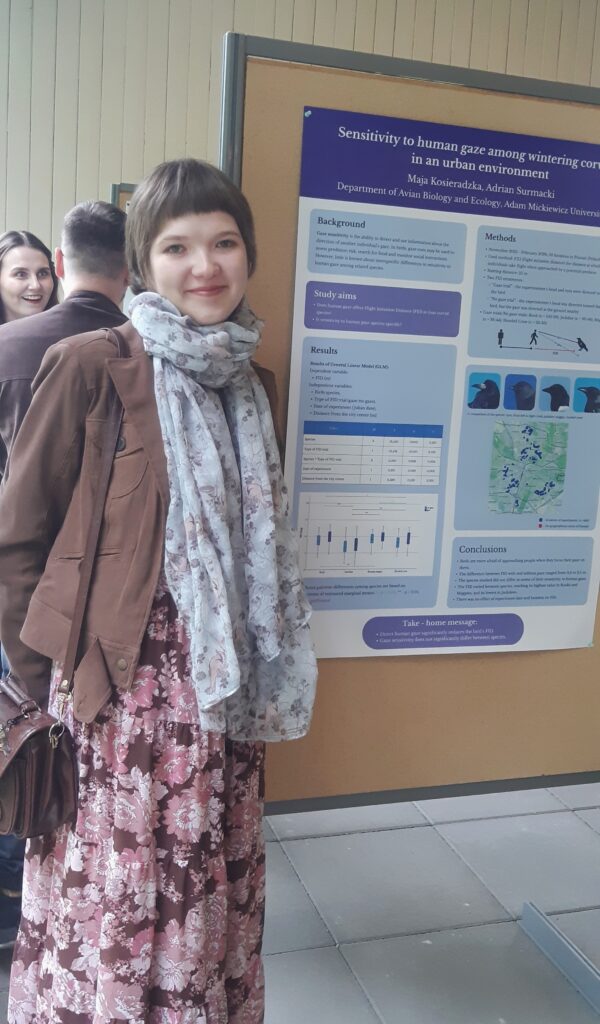
Maja at Scientific Session of the Institute of Environmental Biology
Coloration of Birds and other Creatures
Our new paper explores changes in eggshell coloration in the Red-backed Shrike over the past 135 years. We documented a significant increase in the divergence of colour and pattern contrast both within and between clutches over time. These long-term changes may have enhanced the shrike’s defenses by improving the detection and rejection of cuckoo eggs, potentially contributing to the observed decline in brood parasitism rates in Red-backed Shrike nests. Agnieszka, Klaudia, Artur — it was a pleasure to work with you on this exciting project! ( https://academic.oup.com/auk/advance-article/doi/10.1093/ornithology/ukaf069/8362217 )
Our article about ear tufts in owls has just been published! We used a phylogenetically-informed comparative approach to reconstruct the evolutionary history of ear tufts across the entire Strigidae family (184 species). Ear tufts are closely associated with nocturnal lifestyles, so we assume that they facilitate camouflage against predators and mobbers.
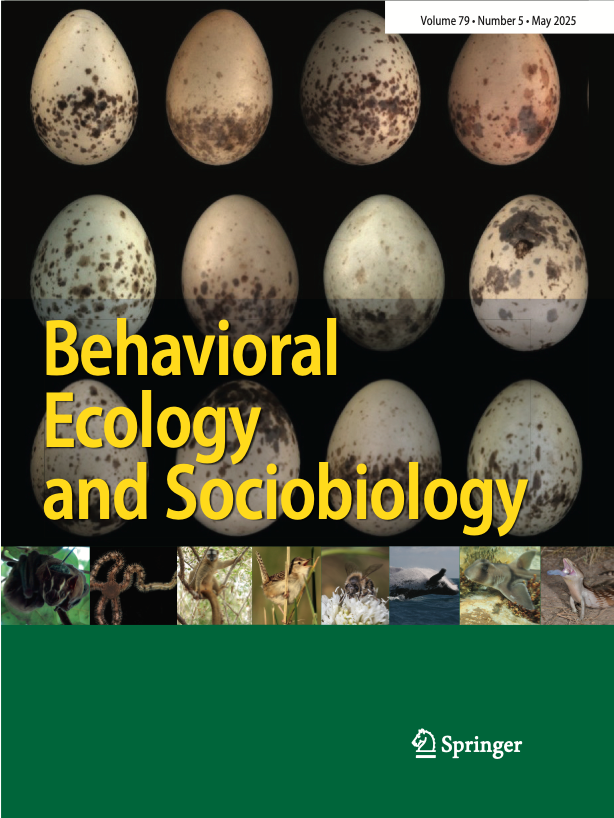
The photo of the Red-backed Shrike eggs taken by Klaudia will be featured on the cover of the latest issue of Behavioral Ecology & Sociobiology. Inside – our new article on sexually selected eggshell coloration hypothesis. Congratulations Klaudia!
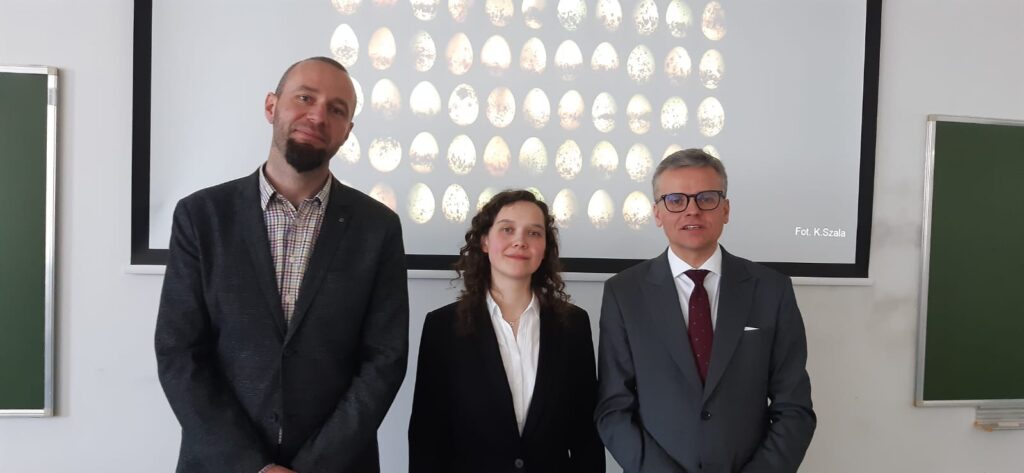
Yesterday Klaudia defended her doctoral thesis. I am so proud of her. Congratulations!
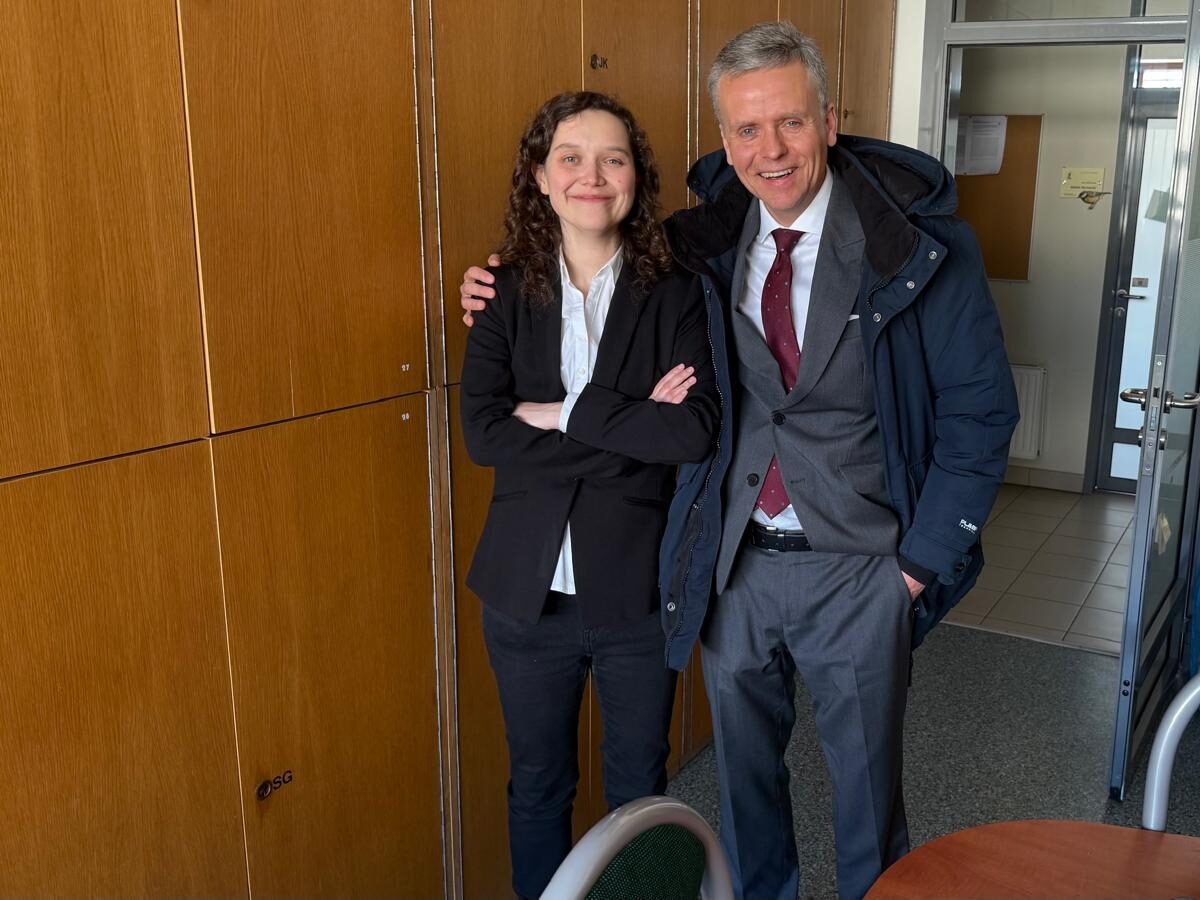
Klaudia Szala went to the “Sensory Ecology” course held at Lund University in Sweden https://www.biology.lu.se/phd-studies/phd-courses/sensory-ecology . She is one of 40 doctoral students selected from among many applicants. Congratulations Klaudia!
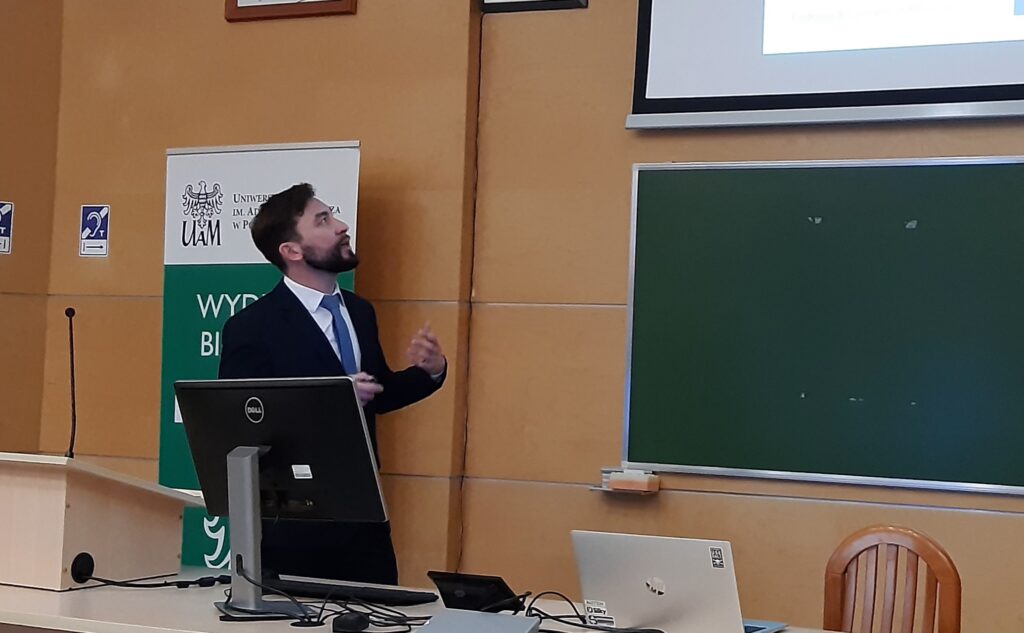
The last article constituting Paweł’s PhD thesis just came out in Journal of Ornithology https://link.springer.com/content/pdf/10.1007/s10336-022-02017-9.pdf ! Congratulations and keep fingers crossed!
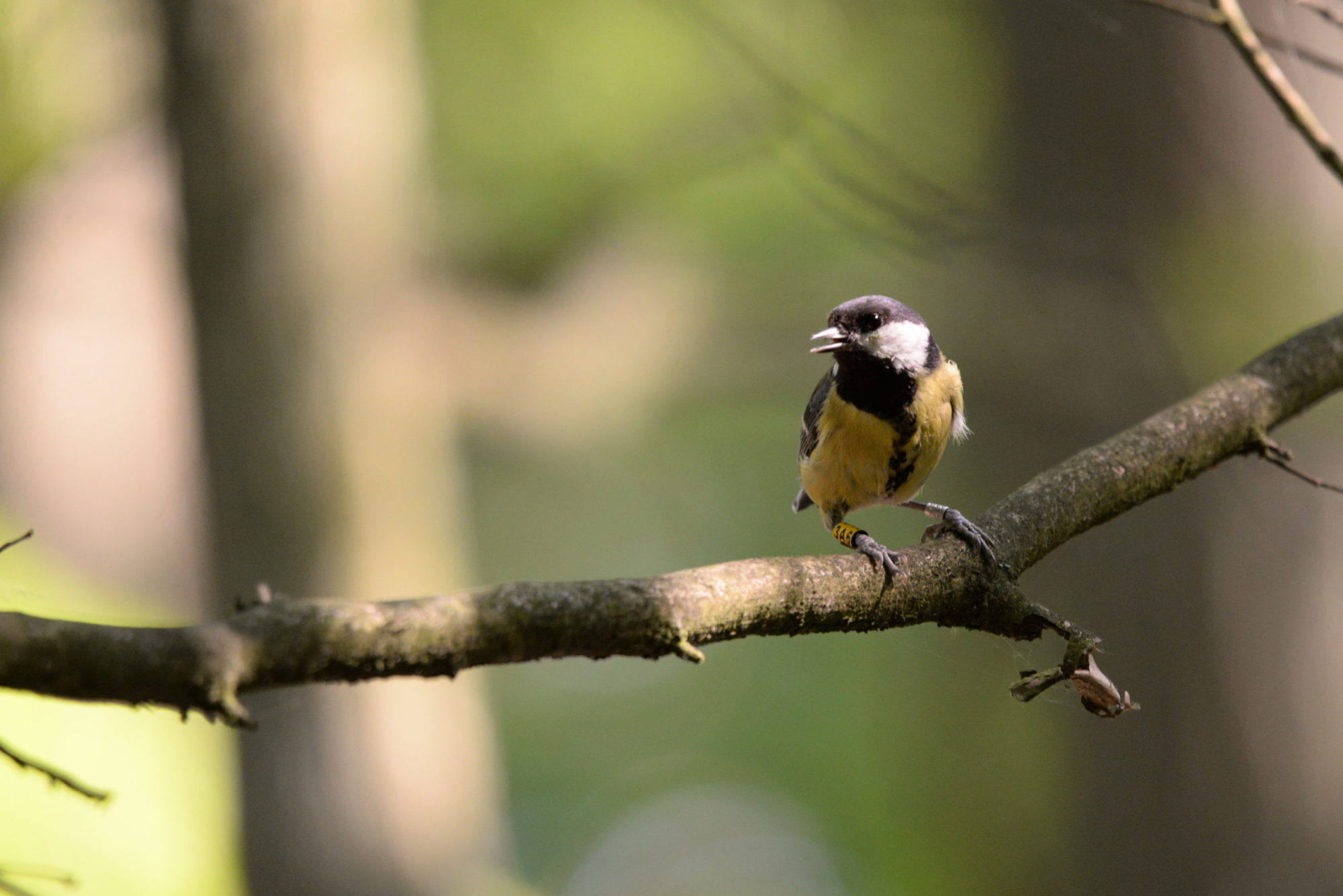
Adrian and Paweł attended at IX Hole-Nesting Bird Conference at Oxford University (6-8 Sep 22) where they presented posters showing results from studies on our Great Tit population. Check Twitter for photos https://twitter.com/HNBirds2022 !